If you are considering a new driveway approach, driveway widening, or a curb cut extension in Rancho Cucamonga, Upland, Claremont, Fontana, Ontario, Chino, Glendora, San Dimas, La Verne, or throughout the Inland Empire, understanding the city permitting process is critical before construction begins.
At A&R Concrete & Hardscape, we specialize in residential approach construction and handle the entire process from planning and permitting through final inspection and project completion.
Whether you are adding RV parking, widening a driveway, or installing a completely new approach, our team is experienced in navigating city engineering departments, right-of-way permits, and municipal standards throughout Southern California.
What Is a Residential Driveway Approach?
A residential approach, also commonly called a:
- Drive approach
- Driveway apron
- Curb cut
- Driveway entrance
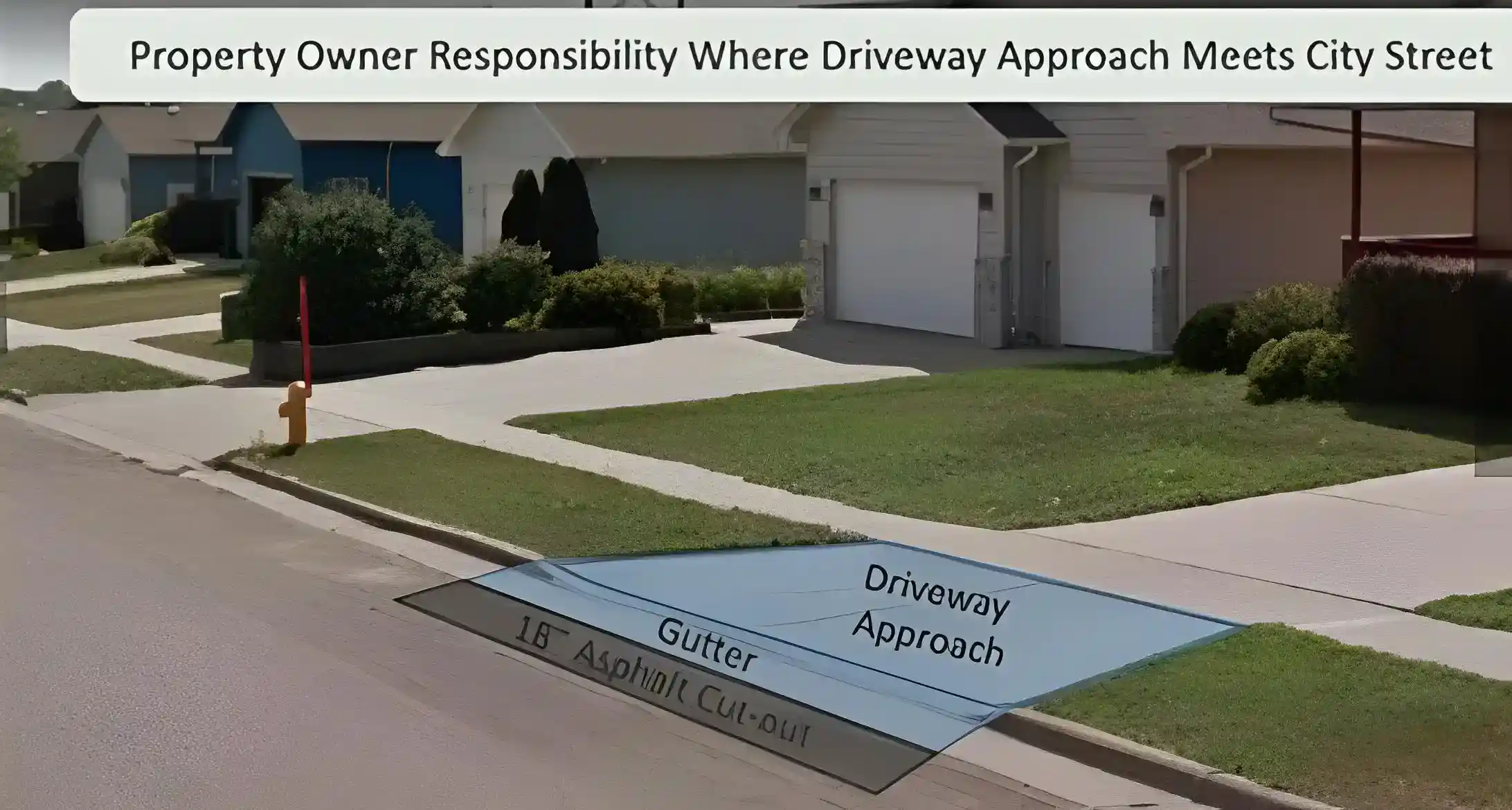
It is the section of concrete that transitions from the street to your driveway.
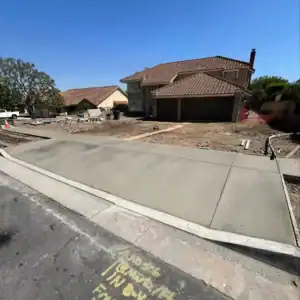
This work often includes:
- Sidewalk removal and replacement
- Curb modification or removal
- Curb and gutter work
- Asphalt patching
- ADA and city engineering compliance
Because this work occurs within the public right-of-way (ROW), cities require engineering review and permitting before construction can begin.
Why Permits Are Required
Most cities require:
- Engineering permits
- Right-of-way permits (ROW permits)
- Traffic control requirements
- Inspections throughout construction
In California, concrete contractors performing this work are typically required to hold:
- A Class A General Engineering License, or
- A C-8 Concrete License, depending on the city and scope of work
Cities also require contractors to maintain:
- General liability insurance
- Workers’ compensation insurance
- Additional insured endorsements
- City business licensing (where applicable)
At A&R Concrete & Hardscape, we maintain all required licensing and insurance and are fully qualified to perform residential approach and curb cut work throughout the Inland Empire and surrounding communities.
Every City Has Different Requirements
One of the biggest misconceptions homeowners have is assuming every city follows the same standards. In reality, every municipality has slightly different engineering requirements.
Before beginning the permitting process, we typically recommend homeowners first confirm with their city planning department that the proposed approach or driveway widening will be permitted.
Depending on the city, requirements may include:
- Utility setback requirements
- Minimum spacing from fire hydrants or street trees
- Maximum driveway widths
- Garage-to-driveway width ratios
- Linear curb frontage limitations
- Corner lot restrictions
- ADA sidewalk compliance requirements
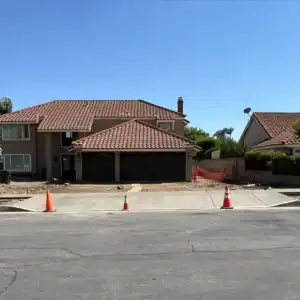
Some cities determine maximum widths based on:
- Garage size
- Lot frontage
- Existing curb face dimensions from property line to property line
Our team is familiar with these varying municipal requirements and helps guide homeowners through the approval process before construction begins.
Our Most Common Method: Horizontal Curb Cuts
The most common installation method we perform is a horizontal curb cut, where the existing curb face is sawcut and removed while preserving the existing gutter pan whenever permitted by the city.
This method:
- Minimizes demolition
- Reduces project cost
- Speeds up construction
- Limits impact to the roadway
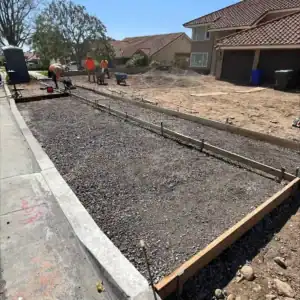
However, some cities require:
- Full curb and gutter removal
- Full sidewalk panel replacement
- Asphalt concrete patching within the street
Requirements vary greatly depending on the city engineering department and the condition of the existing improvements.
The Inspection Process
Residential approach projects typically require multiple inspections throughout construction.
- Pre-Construction Inspection
City inspectors verify:
- Layout
- Grades
- Utility locations
- Traffic control compliance
- Form Inspection
Before concrete placement, inspectors review:
- Formwork
- Dimensions
- Sidewalk slopes
- ADA compliance
- Reinforcement (if required)
- Final Inspection
After completion, the city performs a final inspection to verify:
- Concrete finish
- Proper drainage
- Compliance with approved plans
- Restoration of adjacent improvements
At A&R Concrete & Hardscape, we coordinate directly with city inspectors and manage the scheduling process from start to finish.
We Handle the Entire Permit Process
One of the biggest advantages of working with A&R Concrete & Hardscape is that we manage the entire process for our clients.
We assist with:
- City planning coordination
- Engineering permit applications
- Right-of-way permit processing
- Traffic control coordination
- Inspection scheduling
- Final city sign-off
Our goal is to make the process as smooth and stress-free as possible while ensuring the work is completed safely, legally, and to city standards.
Why Experience Matters
Approach work is far more technical than standard flatwork concrete.
Improper slope, drainage, ADA compliance, or city permitting mistakes can result in:
- Failed inspections
- Costly removal and replacement
- Delays
- Liability issues within the public right-of-way
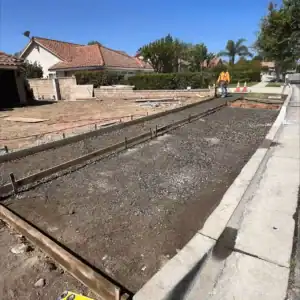
Our team has extensive experience working with city engineering departments throughout:
- Rancho Cucamonga
- Upland
- Claremont
- Fontana
- Ontario
- Chino
- Glendora
- San Dimas
- La Verne
- The Inland Empire
We understand the permitting requirements, inspection process, and construction standards needed to successfully complete these projects.
Need a New Driveway Approach or Curb Cut?
Whether you are:
- Expanding your driveway
- Adding RV parking
- Installing a new approach
- Replacing damaged curb and gutter
- Modifying sidewalk access
A&R Concrete & Hardscape is ready to help.
Contact us today to discuss your project and learn more about our residential approach and curb cut services throughout the Inland Empire.